Introduction
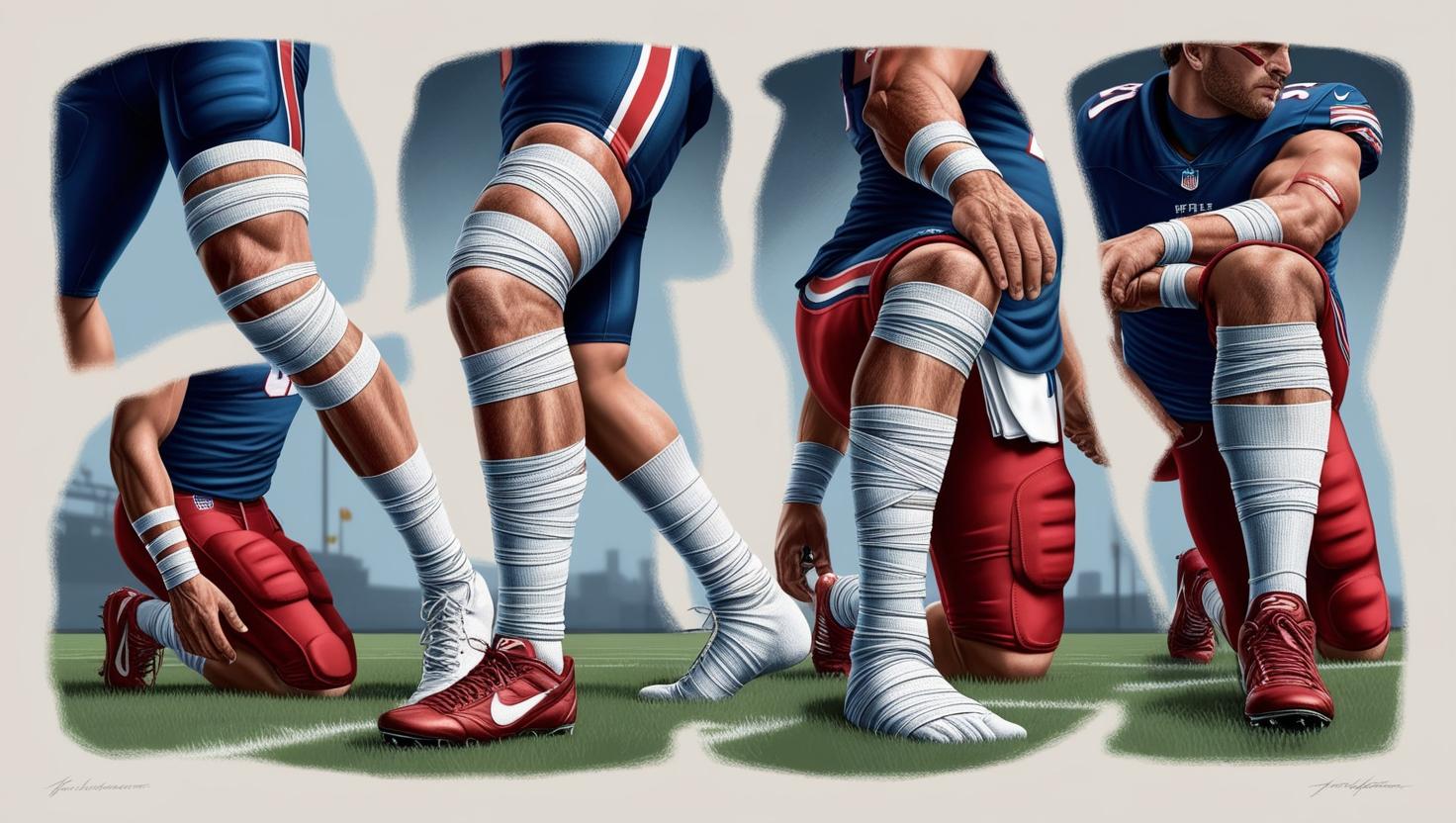
The National Football League (NFL) is a high-octane, physically demanding sport where injuries are an inevitable part of the game.
Audio podcast –
From torn ACLs to concussions, the toll on players’ bodies is immense. But behind the scenes, a sophisticated science is at work to keep players on the field and performing at their best. The science of NFL injuries has become a critical focus for teams, combining cutting-edge technology, advanced medical practices, and data-driven strategies to minimize risks and optimize recovery.
In today’s context, where player safety and performance are paramount, understanding how NFL teams manage injuries is more relevant than ever. Fans, coaches, and even players themselves are increasingly aware of the long-term consequences of injuries, making prevention and recovery a top priority. This article dives deep into the science behind NFL injuries, exploring how teams use sports medicine, biomechanics, and data analytics to keep their athletes in peak condition.
We’ll cover everything from injury prevention techniques and recovery protocols to the role of nutrition and mental health in player performance. Whether you’re a die-hard football fan or simply curious about the intersection of sports and science, this comprehensive guide will provide valuable insights into how the NFL is tackling one of its biggest challenges.
The Anatomy of NFL Injuries
Common Types of Injuries in the NFL
NFL players are no strangers to injuries, given the high-impact nature of the sport. Some of the most common injuries include:
- Concussions: A type of traumatic brain injury caused by a blow to the head.
- ACL Tears: Damage to the anterior cruciate ligament in the knee, often requiring surgery.
- Hamstring Strains: Overstretching or tearing of the hamstring muscles.
- Shoulder Dislocations: When the upper arm bone pops out of the shoulder socket.
- Ankle Sprains: Stretching or tearing of the ligaments in the ankle.
Understanding these injuries is the first step in preventing them. Teams invest heavily in research to identify risk factors and develop strategies to mitigate them.
Why Injuries Happen
Injuries in the NFL are often the result of a combination of factors, including:
- High-Impact Collisions: The sheer force of tackles and collisions can cause immediate damage.
- Overuse: Repetitive stress on muscles and joints can lead to chronic injuries.
- Fatigue: Tired muscles are more prone to injury.
- Poor Technique: Incorrect form during plays can increase the risk of injury.
By analyzing these factors, teams can implement targeted interventions to reduce injury rates.
Injury Prevention: The First Line of Defense
Advanced Training Techniques
Preventing injuries starts long before players step onto the field. NFL teams use advanced training techniques to build strength, flexibility, and endurance while minimizing injury risks. These include:
- Plyometric Training: Exercises that improve explosive power and agility.
- Eccentric Strengthening: Focusing on the lengthening phase of muscle movements to prevent strains.
- Mobility Drills: Enhancing joint flexibility to reduce the risk of sprains and dislocations.
Wearable Technology
Wearable technology has revolutionized injury prevention in the NFL. Devices like GPS trackers and heart rate monitors provide real-time data on player performance and fatigue levels. This information helps coaches make informed decisions about training intensity and playing time, reducing the risk of overuse injuries.
Biomechanics and Motion Analysis
Biomechanics plays a crucial role in understanding how players move and where injuries are most likely to occur. By analyzing movement patterns, teams can identify and correct inefficiencies that could lead to injuries. For example, motion capture technology can highlight improper running techniques that put undue stress on the knees.
Recovery Protocols: Getting Players Back in the Game
The Role of Sports Medicine
When injuries do occur, sports medicine is at the forefront of recovery. NFL teams employ a multidisciplinary approach, involving:
- Orthopedic Surgeons: Specialists who perform surgeries for severe injuries like ACL tears.
- Physical Therapists: Experts who design rehabilitation programs to restore strength and mobility.
- Athletic Trainers: Professionals who provide immediate care on the field and oversee recovery.
Cutting-Edge Recovery Tools
NFL teams have access to state-of-the-art recovery tools that accelerate healing and reduce downtime. Some of these include:
- Cryotherapy: Using extreme cold to reduce inflammation and pain.
- Hyperbaric Oxygen Chambers: Increasing oxygen levels to promote tissue repair.
- Laser Therapy: Stimulating cell regeneration to speed up recovery.
Nutrition and Hydration
Proper nutrition and hydration are essential for recovery. NFL teams work with sports nutritionists to create personalized meal plans that support healing and performance. Key nutrients include:
- Protein: For muscle repair and growth.
- Omega-3 Fatty Acids: To reduce inflammation.
- Antioxidants: To combat oxidative stress caused by intense physical activity.
The Role of Data Analytics in Injury Management
Injury Prediction Models
Data analytics has become a game-changer in the NFL. Teams use injury prediction models to identify players at higher risk of injury based on factors like age, injury history, and workload. This allows coaches to adjust training regimens and playing time accordingly.
Load Management
One of the most effective strategies for preventing injuries is load management, which involves monitoring and managing the physical stress placed on players. By analyzing data from wearable devices, teams can ensure players aren’t overexerted during practices or games.
Case Study: The Success of the Seattle Seahawks
The Seattle Seahawks are a prime example of how data analytics can reduce injuries. By implementing a comprehensive load management program, the team has consistently ranked among the healthiest in the league, with fewer players missing games due to injury.
Mental Health and Injury Recovery
The Psychological Impact of Injuries
Injuries don’t just affect the body; they take a toll on the mind as well. Players often experience anxiety, depression, and fear of re-injury during recovery. Addressing these mental health challenges is crucial for a full recovery.
Mental Health Support in the NFL
NFL teams are increasingly prioritizing mental health by providing access to sports psychologists and counseling services. These professionals help players cope with the emotional challenges of injuries and build resilience for the future.
The Future of Injury Prevention in the NFL
Emerging Technologies
The future of injury prevention in the NFL looks promising, with several emerging technologies on the horizon:
- AI-Powered Injury Prediction: Using artificial intelligence to analyze vast amounts of data and predict injuries with greater accuracy.
- Smart Helmets: Equipped with sensors to monitor head impacts and reduce the risk of concussions.
- Regenerative Medicine: Techniques like stem cell therapy to accelerate healing and repair damaged tissues.
A Holistic Approach
As the science of NFL injuries continues to evolve, teams are adopting a more holistic approach that considers not just physical health, but also mental well-being, nutrition, and lifestyle factors. This comprehensive strategy is key to keeping players on the field and performing at their best.
Conclusion
The science of NFL injuries is a multifaceted field that combines cutting-edge technology, advanced medical practices, and data-driven strategies to keep players healthy and performing at their peak. From injury prevention techniques like wearable technology and biomechanics to recovery protocols involving sports medicine and nutrition, NFL teams are leaving no stone unturned in their quest to minimize injuries.
As the league continues to prioritize player safety, the future looks bright with emerging technologies and a holistic approach to health and wellness. Whether you’re a fan, a coach, or a player, understanding the science behind NFL injuries offers valuable insights into the game we all love.
If you found this article informative, be sure to explore our other posts on sports science and athlete performance. And don’t forget to share your thoughts in the comments below—what do you think is the most important factor in preventing NFL injuries?
Meta Title
The Science of NFL Injuries: How Teams Keep Players on the Field
Meta Description
Discover the science behind NFL injuries and how teams use advanced technology, sports medicine, and data analytics to keep players healthy and performing at their best.
SEO Image Alt Text
NFL player receiving physical therapy for injury recovery.
Leave a Reply